Environmental action - 2026 TOP 10 SHORTLIST
Cezeri Yeşil Teknoloji Mesleki ve Teknik Anadolu Lisesi
Etimesgut, Ankara, Türkiye
The Turkish school that is a living laboratory where students are changing how energy is used
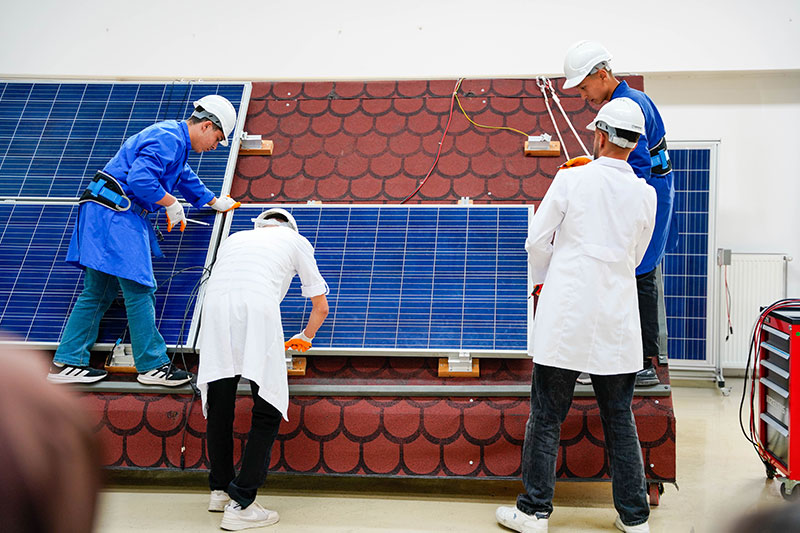
Cezeri Yeşil Teknoloji Mesleki ve Teknik Anadolu Lisesi, a public secondary school in Etimesgut, Ankara, Türkiye, is equipping students to become ‘energy detectives’, young people who understand how energy is used, where it is wasted, and how everyday behaviour can be changed to reduce environmental impact through project-based learning in a living laboratory. Although national investments in renewable energy have been increasing in Türkiye, most schools offering education in the field of Renewable Energy Technologies have not been designed as environments where students can interact with, analyse, and influence real energy systems. Through project-based practices, innovative approaches that support the curriculum, the development of original educational materials, and the sharing of these materials with other energy-focused schools across Türkiye, the school provides a scalable and forward-looking model for renewable energy education.
Through its commitment to holistic development, where technical 21st-century skills are embedded in a Develop-Apply-Share framework that builds competencies like critical leadership, resilience and entrepreneurship as key outcomes, students are encouraged to design projects that have the intentional goal of social impact. Some of these include performing carbon footprint analyses, developing energy-efficiency solutions, producing renewable energy prototypes, and designing advanced transformation projects with zero waste. Teachers from diverse technical and academic backgrounds act as educational leaders equipped with 21st-century skills, effective use of technology, and a strong sense of environmental responsibility. Together with their students, they develop projects focused on sustainability and environmental action, producing innovative solutions while also building a shared culture of transformation.
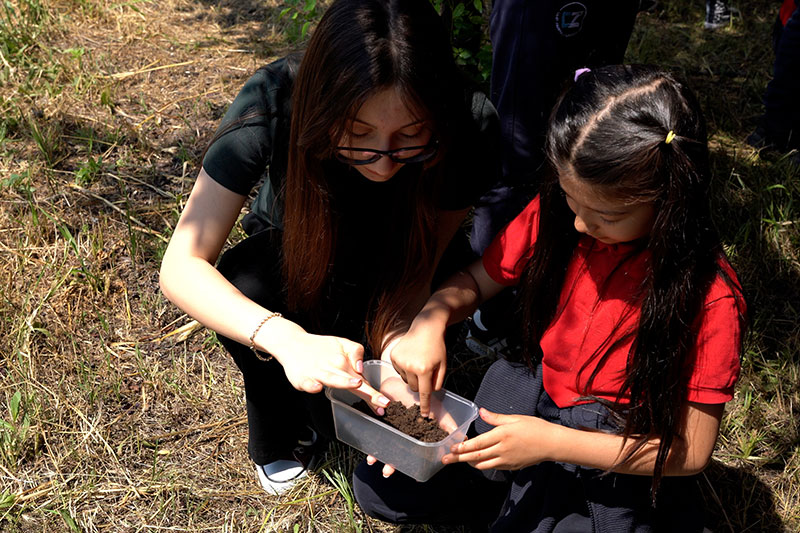
Its flagship initiative, the Energy Detective Project, combines awareness-raising activities with interactive and participatory methods, empowering students to take on the role of investigators, tracing how energy is used in everyday life and identifying where behaviour can shift. They design and deliver interactive sessions for younger learners, translating concepts such as energy efficiency, carbon footprint and climate change into practical, relatable examples drawn from their own environment. Another powerful example of a student-led project is the Solar Bench Initiative, which was developed in response to a devastating earthquake that left communities facing widespread infrastructure disruption. Students designed and produced more than 600 solar-powered smart benches for the affected areas, providing seating, phone charging, and night-time lighting, and they also travelled to the region to personally install them.
Project work is supported by the school’s physical environment, where sustainability is embedded into how the campus operates. With a 93 kW solar energy system generating approximately 140,000 kWh of clean energy annually, alongside integrated systems like rainwater harvesting, heat pumps and recycling infrastructure, the school functions as a living laboratory. Learners can actively analyse performance, calculate efficiency and work together to find ways to optimise energy efficiency, which puts them at the centre of an ongoing and connected learning experience.
Since shifting the learning model to one of applied research and capability building, the school’s energy systems have prevented an estimated 55 to 65 tonnes of carbon emissions each year, while student-led carbon footprint studies have led to observable changes in behaviour, including more conscious energy use and consistent participation in recycling practices. Through the Energy Detective Project and related initiatives, students are influencing behaviour in other schools and communities, with younger learners showing increased awareness and sharing what they have learned within their own homes.
The Energy Detective book, developed through the project, has been approved for distribution to first-grade students across Türkiye, with the potential to reach approximately 1.2 million learners each year, and is currently involved in national-level curriculum development, contributing to the institutionalisation of environmental education.


Check out our social media!