Overcoming adversity - 2026 TOP 10 SHORTLIST
Escola Municipal GET IV Centenario
Rio de Janeiro, Brazil
The Brazilian school that that built a ‘Dream Factory’ to imagine futures beyond the extreme violence on their doorstep
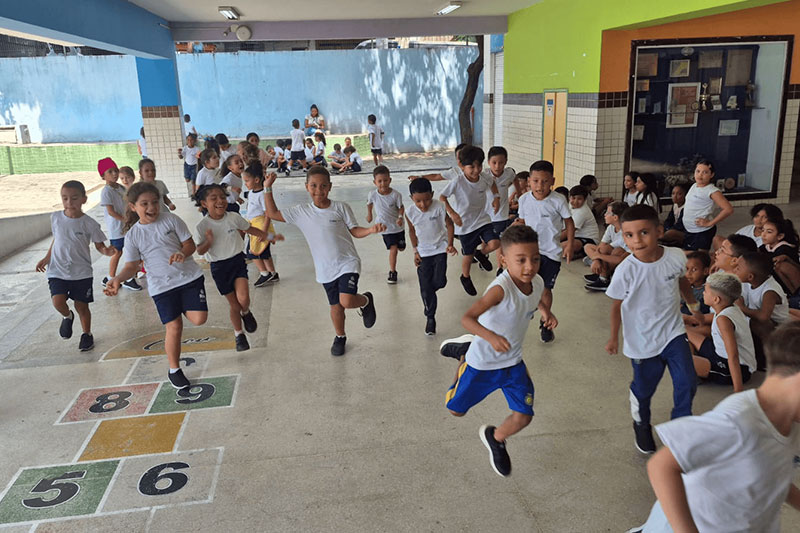
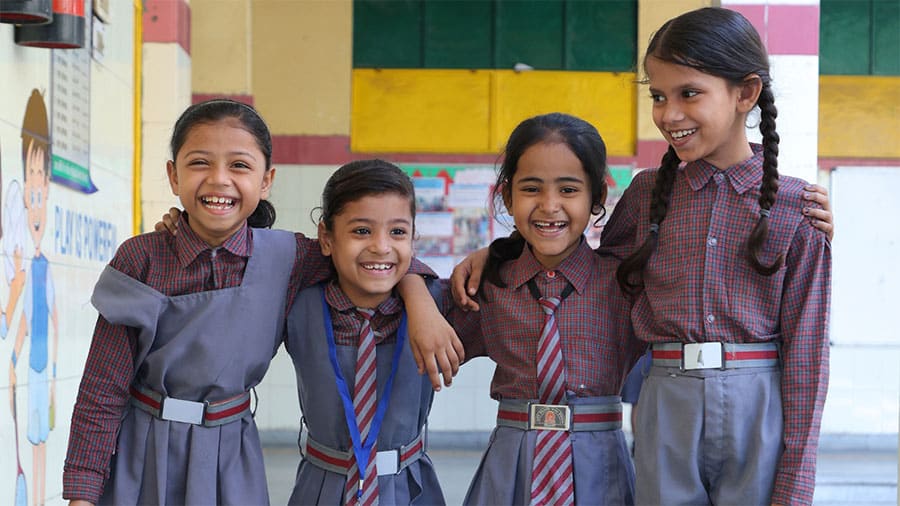
Escola Municipal GET IV Centenario, a public primary school in Rio de Janeiro, Brazil, is giving learners the opportunity to embrace education safely and consistently in one of the city’s most violent and socially vulnerable communities through a hands-on learning model built around emotional safety, student leadership, creativity, and hope. Located in Complexo da Maré, one of the most socially vulnerable and violent territories in Rio de Janeiro, the school serves a large network of public schools in the municipality and operates in an environment heavily affected by drug trafficking, armed conflict, and frequent school closures. In 2024 alone, the school reportedly lost 37 school days due to violence in the surrounding area. As one of the few consistent public facilities in the area, the school has become a space for protection, belonging, emotional support, and opportunity for children growing up amid trauma and uncertainty.
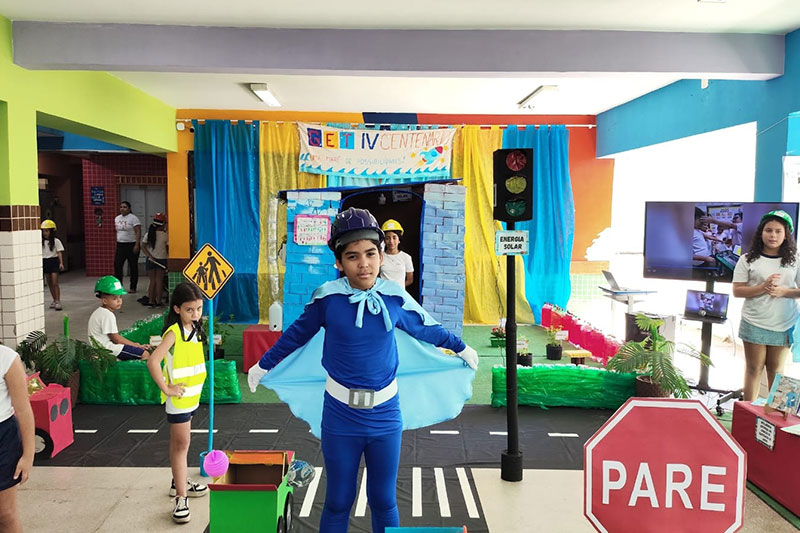
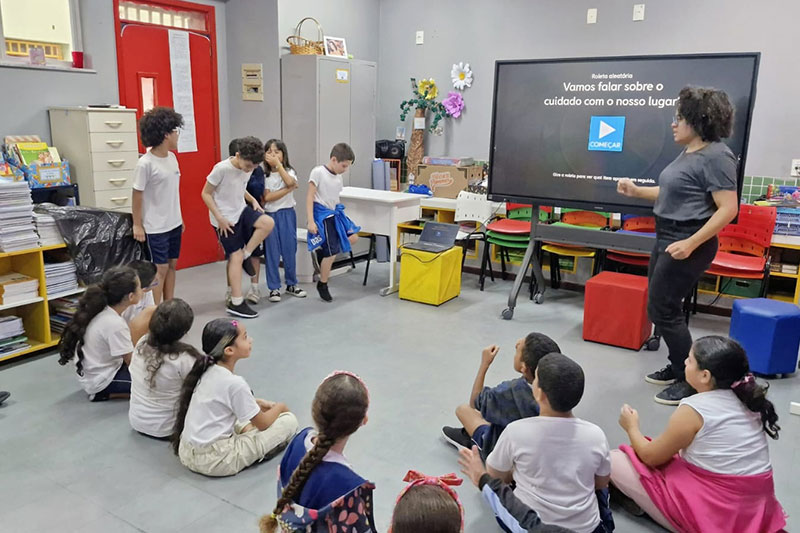
In a deliberate move to ensure that adversity does not define the future for these vulnerable students, the school has built what it calls a ‘Dream Factory’, an educational model designed to help children imagine futures beyond the violence surrounding them. Its pedagogical approach is rooted in Education 5.0, using technology not as an end in itself but as a tool to expand opportunity, creativity, collaboration, and inclusion. Students work in maker spaces equipped with robotics kits, virtual reality headsets, computers, and 3D printers, where they investigate real problems connected to their own community and develop practical solutions through STEAM-based learning. A typical school day sees children taking part in projects that include technology, project-based learning, socio-emotional development, and hands-on problem-solving.
The methodology, developed collectively by school leaders, teachers, students, and the surrounding community, includes a five-stage process where students first identify dreams, ideas, or community problems they want to explore before researching, prototyping, presenting, and reflecting on their work.
Teachers play a central role in creating stability, and a key school-wide practice, for example, is a daily “coffee with music and conversation” session at the start of the school day, lasting approximately 20 minutes. During this time, students and teachers share emotions, personal experiences, and challenges, which support emotional regulation and create a safe space for students exposed to violence, trauma, and instability at home or in their communities.
Families are equally embedded in the school culture. At the beginning of each year, families join collaborative planning meetings where school leaders present academic goals, projects, and expectations while jointly agreeing on responsibilities for students, parents, and teachers. Every two months, the school also hosts pedagogical support meetings where teachers, students, and families analyse learning data together, discuss challenges, exchange support strategies, and collectively decide how to help each child progress.
Despite its operating context, the school has managed to maintain a 0% dropout rate. Attendance levels are above 90%, and it has a 97% literacy rate among students reading and writing at expected age levels, compared to a municipal average of 66%. In 2023, the school achieved an IDEB score of 6.6, exceeding both Rio de Janeiro’s municipal average of 6.0 and the national public-school average of 5.7. Students have also earned recognition in national mathematics Olympiads, with 10% of all early-years award recipients in the 2025 OCM Mirim competition coming from IV Centenário. Although it lost nearly 20% of its school year to violence and police operations, the school continues to outperform both municipal and national public-school averages.
The school’s methodology is also being recognised for its scalability and replicability, with elements of the model already incorporated into a wider educational innovation framework operating across approximately 350 schools in Rio de Janeiro’s municipal system, with potential to expand to more than 1,500 public schools across the network.



Check out our social media!