Environmental action - 2026 TOP 10 SHORTLIST
Escuela Secundaria Técnica No. 58 “Prof. Florentino Domínguez Ordóñez” Plantel Azteca Tlaxcala
Totolac, Mexico
The Mexican school turning environmental crisis into an ecosystem of sustainability and hands-on learning
Escuela Secundaria Técnica No. 58 “Profesor Florentino Domínguez Ordóñez”, Plantel Azteca Tlaxcala, a public secondary school in Totolac, Plantel Azteca Tlaxcala, Mexico, is turning environmental adversity into hands-on learning by turning its campus into a living laboratory where students tackle pollution, waste, food insecurity, and sustainability challenges affecting their own communities. In the underserved area surrounded by landfill sites, almost 60% of learners have little choice but to travel long distances from communities with limited access to technology and infrastructure. Many of them come from areas affected by environmental degradation, including unmanaged waste disposal sites, landfill accumulation, limited recycling practices, and low levels of sustainable food production within homes and nearby community spaces.
To give these young people a safe and accessible place of learning, the school developed a model defined by a “critical reading of reality”, which encourages students to analyse the environmental conditions surrounding them and respond through practical, community-oriented solutions. Because pollution and sustainability are such a key part of the community’s reality, it has developed EcoAprendizaje (EcoLearning), an interdisciplinary learning model that integrates environmental action into daily school life through applied science, project-based learning, sustainability, entrepreneurship, and student-led innovation.
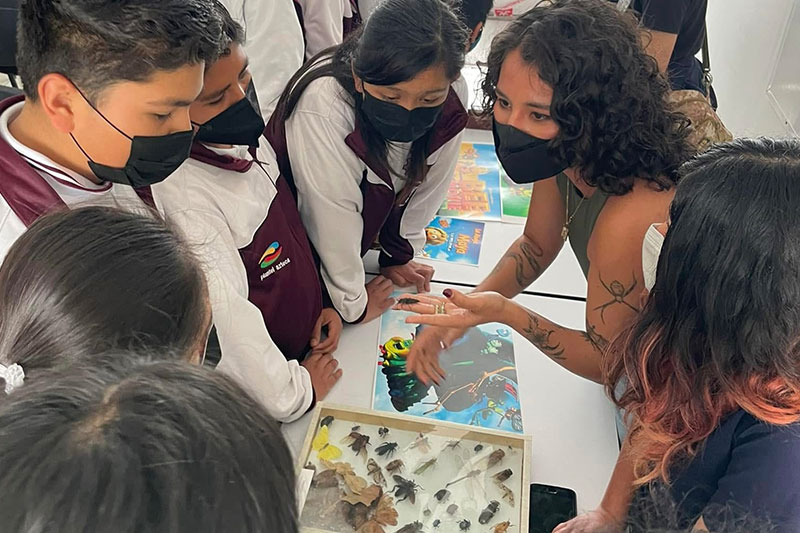
Students work across science, mathematics, technology, civic education, sustainability, automation, and design thinking initiatives through an “open doors school,” where their concerns and lived realities guide project development. Teachers act as guides rather than instructors to help students identify problems from their own lived experiences and develop projects capable of creating value for others.
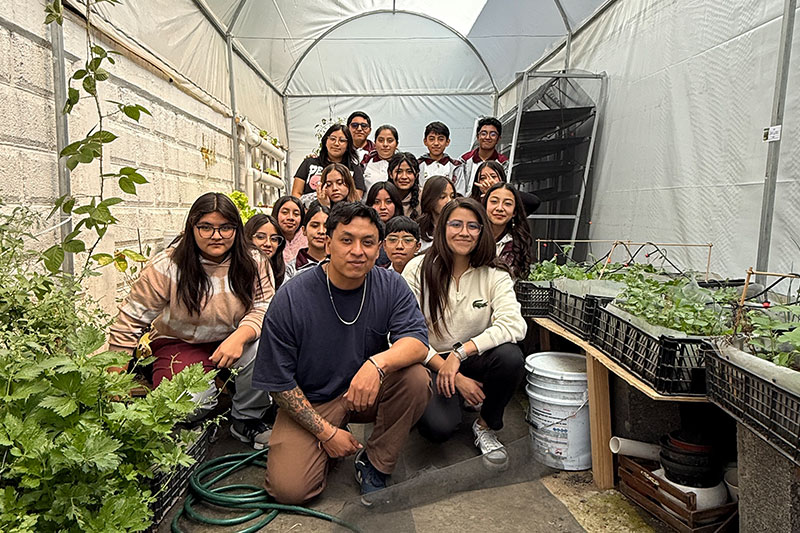
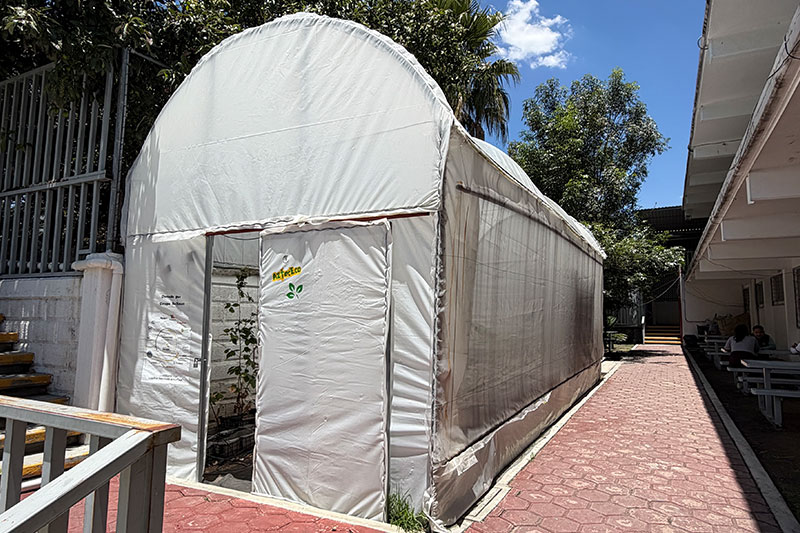
Inside classrooms and across the campus, students participate in environmental projects including PET recycling campaigns through the school’s “Fuego Verde” club, sustainable food production in pedagogical greenhouses and learning tunnels, vertical composting systems for small urban spaces, reforestation projects, automation workshops, and the development of biodigesters built from discarded water containers. They also engage in sustainability-focused STEM initiatives and practical innovation workshops designed for both boys and girls to break gender stereotypes. One student-led project involved girls designing a safety application capable of sending alerts and location information to family members after identifying local concerns around walking home safely at night.
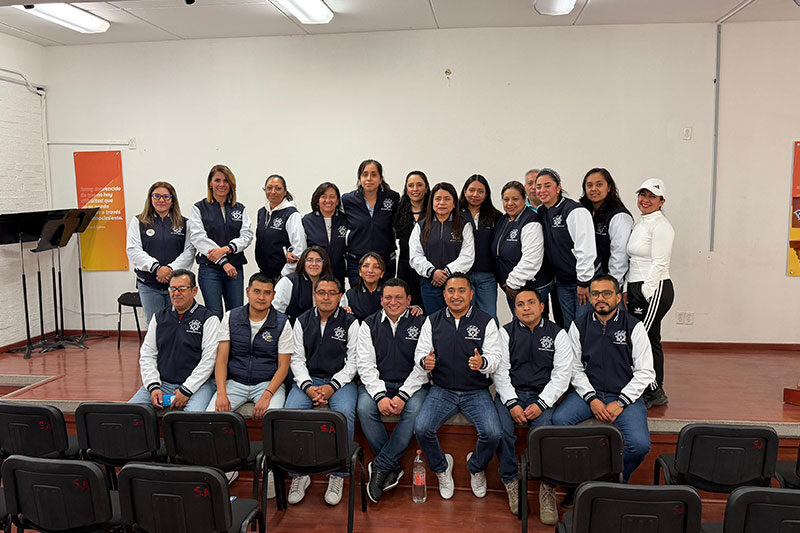
Teachers collaborate through interdisciplinary planning processes to connect sustainability projects across multiple subjects, while psychologists, STEM educators, administrators, and public education authorities work together to support both academic and socio-emotional development. Emotional wellbeing is viewed as essential to learning because students facing difficult home circumstances often struggle to discover and develop their talents without strong support systems.
Families and the wider community have become central to the project’s growth. During the early stages of EcoAprendizaje, economic limitations meant the school relied heavily on donations, recycled materials, volunteer labour, and community collaboration to build its sustainability infrastructure. Families contributed plants, soil, recycled materials, and construction support to help establish the educational gardens and environmental projects.
The school operates through an alliance between the Tlaxcala State Secretariat of Education and Fundación Azteca, a partnership designed to strengthen and expand the potential of public schools within the Mexican government education system. While the State provides the public education framework, Fundación Azteca contributes enriched programmes in areas including socio-emotional learning, robotics, English, arts, music, and psychopedagogical support.
The learning model’s impact has extended well beyond environmental awareness, with 100% of graduates transitioning into upper secondary education. There are exceptionally high levels of student engagement, with some students voluntarily spending up to 12.5 hours per day at school, and a 0% dropout rate.
EcoAprendizaje has also strengthened family involvement, increased student motivation, and helped students who previously struggled academically become more engaged through hands-on learning experiences.
The model is now being explored for replication across other Azteca campuses in Mérida, Jalisco, and Nuevo León.


Check out our social media!