Supporting Healthy Lives - 2026 TOP 10 SHORTLIST
Ibn Rushd National Academy
Jordan, Amman
The Jordanian school helping children rebuild hope, resilience, and belonging after war and displacement
Ibn Rushd National Academy (IRNA), an independent kindergarten, primary and secondary school in Amman, Jordan, is helping children recover from the physical, emotional, and educational consequences of war, illness, and displacement through a deeply human-centred model that combines personalised learning, community support, and a philosophy of resilience to restore hope, confidence, and belonging. Jordan, the second highest per capita refugee-hosting country in the world, is home to thousands of refugee and displaced children who carry the weight of interrupted schooling, trauma, prolonged illness, war, displacement, and uncertainty, losses that have left them academically behind and emotionally vulnerable, robbed of the normal rhythms of childhood.
Supporting regional educational recovery initiatives through in-person and blended models, Ibn Rushd draws on its integrated educational ecosystem combining a school which serves as a research lab, a publishing house, a community development hub, and a regional professional development centre. Its reach and impact transcend political boundaries. Ibn Rushd award-winning resources have been adopted across the Middle East by local educational authorities, ministries of education, and international NGO’s to design and operate national Arabic literacy intervention and recovery programmes.
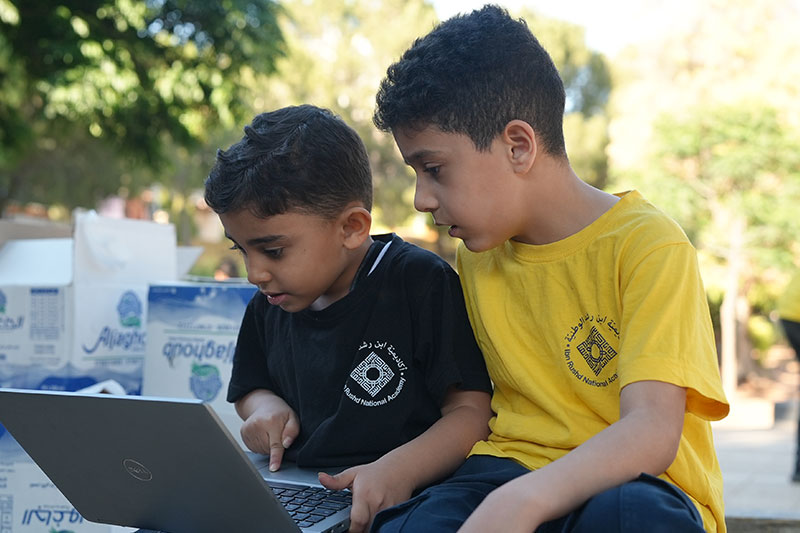
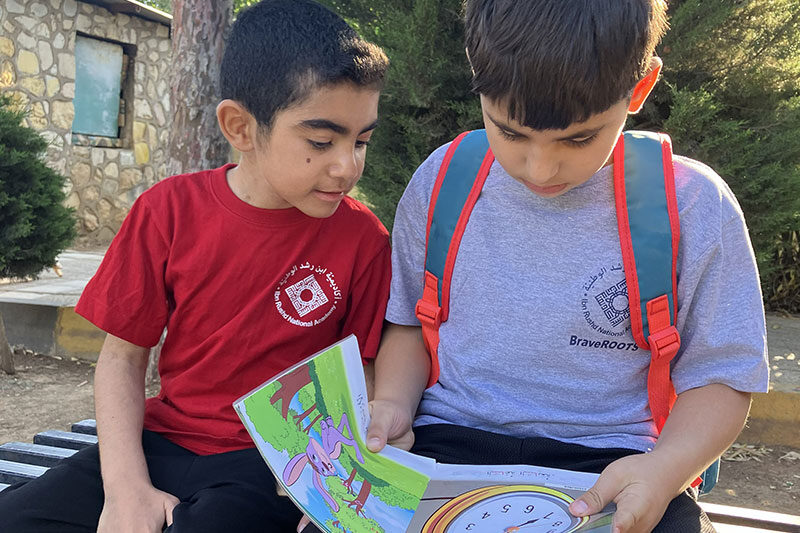
What began as a school-led intervention, soon grew into a regional initiative. Inspired by the influx of refugee children fleeing regional conflicts from Yemen, Somalia, Syria, and Sudan, and most recently Gazan refugee children fleeing genocide, IRNA's scholars, supported by the school’s community of educators and parents, took the initiative to volunteer every weekend and holiday to mend and rebuild scarred souls, and tutor displaced children in literacy and numeracy. This was not a top-down assignment; IRNA's change agents felt genuinely responsible, stepping forward as mentors, advocates, and companions to children their own age who had survived war, loss, and illness. Out of this spirit was born BraveROOTS - a fully student-led initiative - that has since been recognised by the International Baccalaureate as a 2026 Global Youth Action Fund winner, selected from applicants across 42 countries.
In the classroom, learning is tailored to each student and aims to build confidence, curiosity, and a sense of normal life. Learners take part in dual-language, inquiry-based lessons that protect their cultural identity and meet international standards. The school believes that both academic progress and emotional healing matter equally, since a healthy life depends on more than just catching up in school. It also means restoring dignity, relationships, and hope.
The school views education as a vital conduit towards sustainable community development. It provides various enriching opportunities in line with its mission; namely for its community members - scholars, educators, and parents - to take intentional and purposeful action to address global challenges with a local outlook, highlighting a rather unique regional reach and impact far beyond its immediate community. In addition to its flagship Emergency Education Intervention for Gazan Cancer Children initiative, the school has supported regional education intervention and recovery initiatives such as literacy recovery initiatives in Jordan and Libya, an informal early childhood education programme targeting refugee children from across the region, and an emergency education initiative supporting children in Gaza during the genocide.
The school offers placements to 32 children within its kindergarten and primary school. This initiative comprises an in-person blended programme, including both at school and residential learning. In addition to compensating Gazan children for out-of-school time during the war, the school provides bespoke residential services which accompany children when they are unable to attend school, during their medical treatment journey which necessitates prolonged periods away from regular classes. Thanks to this approach, the school has helped students go from being four years behind in school to just two years behind. The specialist team has also expanded from two to five teachers, and staff have noticed that students are now more confident, grateful, resilient, and emotionally steady.
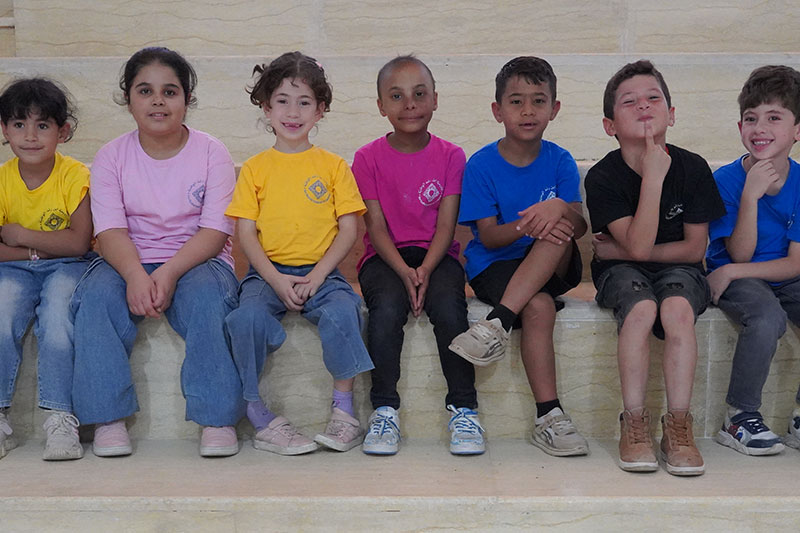
Teachers offer both personalised learning and emotional support, becoming trusted mentors for their students. The school encourages staff to think differently and take purposeful action, believing that challenges should be faced directly instead of waiting for permission. Families are seen as partners in the recovery process, and strong relationships between students, teachers, and loved ones are considered key to wellbeing. The school community is known for being friendly, welcoming, and open.
At Ibn Rushd National Academy, scholars are shifting the culture by modelling how student-led initiatives can drive real change. This cultivates a powerful, humanising connection, positioning youth not as passive bystanders but as essential, compassionate partners in the community's social fabric.
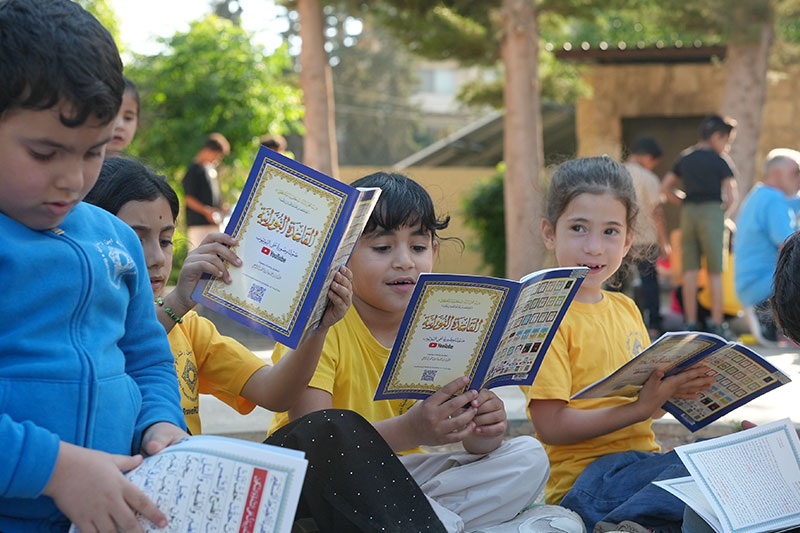
Beyond its campus, the school has developed award-winning Arabic literacy resources and emergency learning initiatives designed to support children whose education has been disrupted by conflict and displacement. Through these efforts, more than 40,000 children across three countries have benefited from literacy kits created to keep learning alive during times of crisis.
The impact of the school’s recovery-focused approach has earned recognition from both the International Baccalaureate and the Global Youth Action Fund.


Check out our social media!