COMMUNITY COLLABORATION - 2026 TOP 10 SHORTLIST
Swiss Cottage School, Development and Research Centre
London, UK
The UK Special School driving independence for special needs students by integrating education, health, care and family and community partners
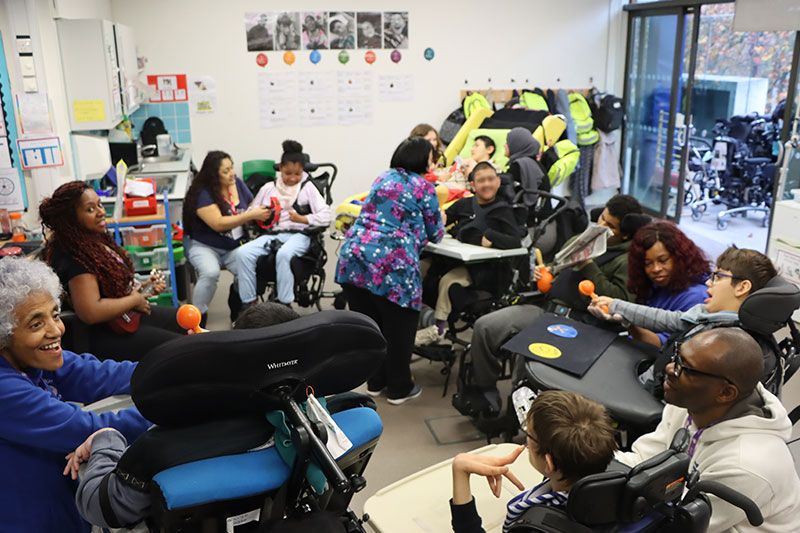
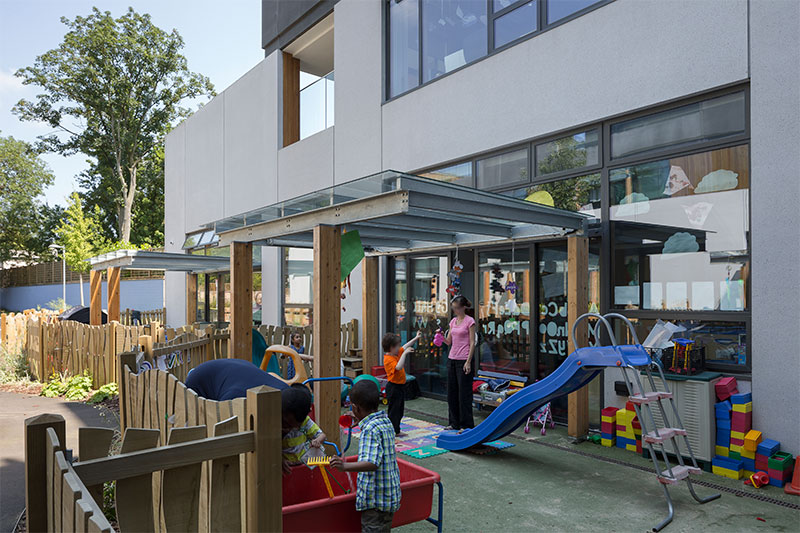
Swiss Cottage School, Development and Research Centre, a state primary and secondary special school in London, UK, is reshaping how communities, health services, cultural organisations, universities, and educators work together to support children with complex learning needs. Serving close to 270 pupils with profound co-occurring needs, many from low socioeconomic backgrounds, the school has built a deeply collaborative model that connects education, healthcare, therapy, research, employability, and community participation into a single integrated ecosystem around each child. The school gives families who have traditionally faced fragmented services that were never designed to work together, access to a more cohesive and consistent support model.
In the UK, support for children with complex needs is often split across education, healthcare and social services, creating gaps that families are left to fill without clear direction or support. Seeing the need for a more cohesive and collaborative system that works around the child, Swiss Cottage School, Development and Research Centre developed an integrated approach that bridges those gaps.
Rather than treating inclusion as something that happens only inside classrooms, Swiss Cottage School has built a model where community participation becomes part of learning itself by placing a deliberate focus on learning that is connected to the outside world. Students have the opportunity to regularly access community spaces like leisure centres, libraries, and cultural venues, where they can apply skills in practical contexts and become familiar with the environments they will be a part of after school. In one practical application, pupil feedback influenced the redesign of a local children’s library, improving accessibility for thousands of families across the borough.
Through strategic partnerships with organisations including The Royal Academy of Dance, Arts Council England, University College London and Youth Sport Trust, students not only gain access to specialist environments but also actively help these institutions rethink accessibility and inclusive practice more broadly. This means students are not just taking part, but contributing directly to how inclusion is planned and experienced across the arts, sport, and public spaces.
Learners all have the opportunity to participate in activities connected to design, office work, ceramics, hospitality, horticulture, and retail. An example of the school’s work in action is its Employ ME programme, where students work in a community studio alongside artists, makers, and small businesses. Learning is hands-on, and students build skills in communication, teamwork, and business by spending time in real workplaces. Many undertake work placements at local organisations like the London Zoo, and also run other projects such as managing a stall and selling handmade crafts in a local supermarket, which helps them to build confidence by liaising with adults and members of the public. These experiences help them gain a range of transferable skills that will support them to move on to further education, training, or jobs.
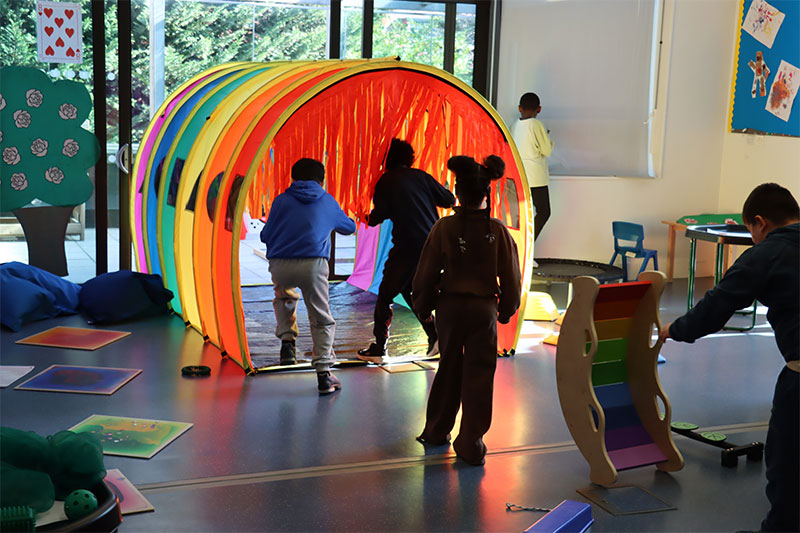
Learning itself is organised through multiple curriculum pathways, each one designed around different profiles of need, communication, and cognition. Instead of trying to get students to adapt to a fixed structure, the school continuously adjusts its approach through careful observation and regular assessments. This ensures that no two students have the same experience, effectively allowing each child to have their own school.
A structured rhythm of practice, where teachers review progress and adapt daily, means learning moves in real time, based on real experiences. Each morning starts with collaborative planning, allowing the learner to be a part of the process from the outset. The core pillars of therapy, learning and care are used to guide progress and shape the next steps. Learning is not set in advance and evolves continuously in response to how each student engages, communicates and develops.
As expectations shift with the learner's experience, tasks are reassessed, broken down, scaffolded, and then rebuilt as confidence and self-awareness grow. For some students, this could mean teachers focus more on communication and connection; for others, it could extend into different ways of learning to suit individual independence. This flexibility gives students the space to move at their own pace while still being able to progress and achieve in the long term.
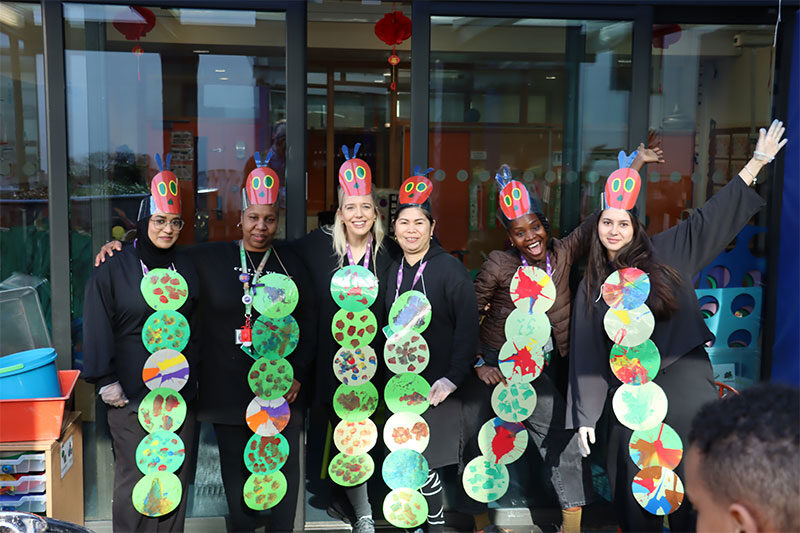
This integrated approach extends across the school’s multidisciplinary model, where teachers work alongside speech and language therapists, occupational therapists, behaviour specialists, nurses, physiotherapists, and CAMHS professionals who are co-located onsite and also serve the wider community. There is a strong culture of reflective practice, professional learning, and shared accountability. Behaviour is approached as communication, and environments are designed to reduce triggers and support engagement before issues escalate.
For families who are facing the challenge of navigating the complex circumstances of supporting a child with special needs, the joining of education, healthcare, and support together in one place gives them a more consistent and manageable experience of care. They are able to build stronger relationships with a single, integrated team that understands their child in context, rather than through isolated assessments. Early, proactive support helps them address challenges before they escalate, which reduces pressure within the home, giving them more stability and a clearer sense of how to support their child over time.
The approach is showing measurable impact, with all recent sixth-form leavers progressing into further education, training, or specialist support pathways. The school’s collaborative influence now extends into research, policy, professional practice, and system-wide inclusion efforts across the UK and internationally. It works closely with institutions such as the UCL Institute of Education and Brunel University London, contributing to the development of inclusive frameworks, assessment tools, workforce development and training programmes. Through these national networks, it supports other schools to adopt and adapt its practices, creating a shared platform for improvement across the sector.


Check out our social media!