Supporting Healthy Lives - 2026 TOP 10 SHORTLIST
Wadi Al Azhar High School
Rachaya El Wadi, West Bekaa, Lebanon
The Lebanese school where students designed and developed a low-cost wheelchair that could benefit 10,000 disabled and elderly people
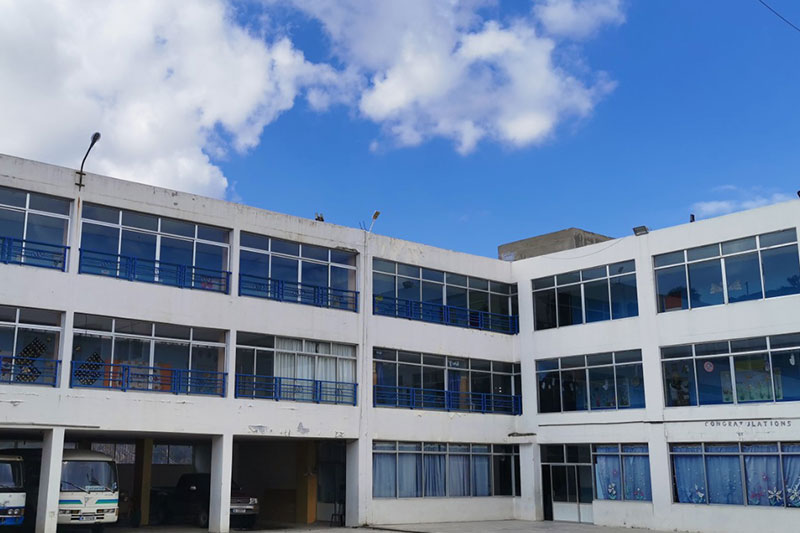
Wadi Al Azhar High School, an independent kindergarten, primary and secondary school in Rachaya El Wadi, West Bekaa, Lebanon, has pioneered a breakthrough in healthcare innovation through its “Neuromov” project, a live learning experience through which they have designed, developed, and are preparing to patent a low-cost smart wheelchair system. In a region where many families face economic hardship and limited access to advanced medical technologies, mobility support systems are often financially out of reach for elderly people and those living with disabilities. For students at the school, the issue became deeply personal after one of their classmates temporarily lost his mobility after he fractured their leg and had to return to school in a wheelchair.
At first, learners helped their friend carry his school bag, pushed his wheelchair through corridors, and assisted him on the stairs. But they soon noticed the emotional and physical realities behind losing independence, including having to rely on others, fear of falling, and the quiet embarrassment of needing help for even the simplest movement. One student eventually asked a question that would shape the project: “How does a wheelchair user live their whole life, especially if they can't access a high-cost smart chair?”
That moment became the starting point for Neuromov, a student-developed innovation designed to convert standard wheelchairs into low-cost smart wheelchairs capable of improving mobility, safety, and communication. Learners spent significant time researching the experiences of elderly people and wheelchair users across Lebanon before development began.
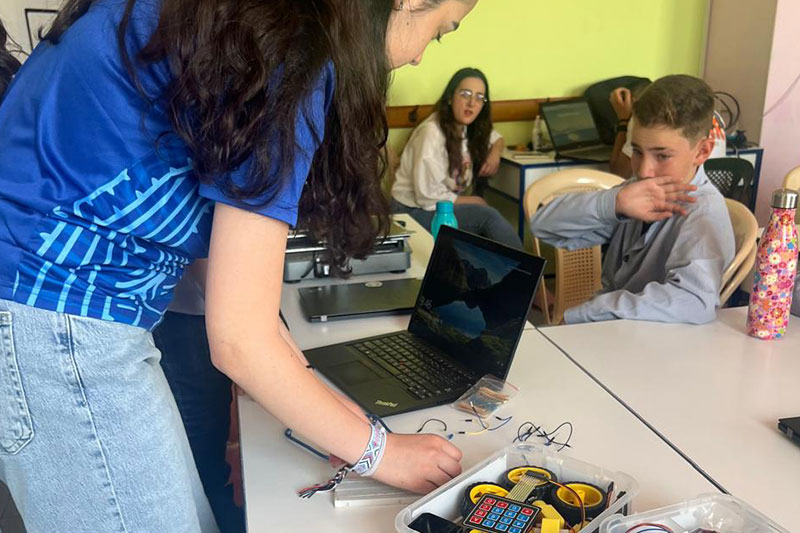
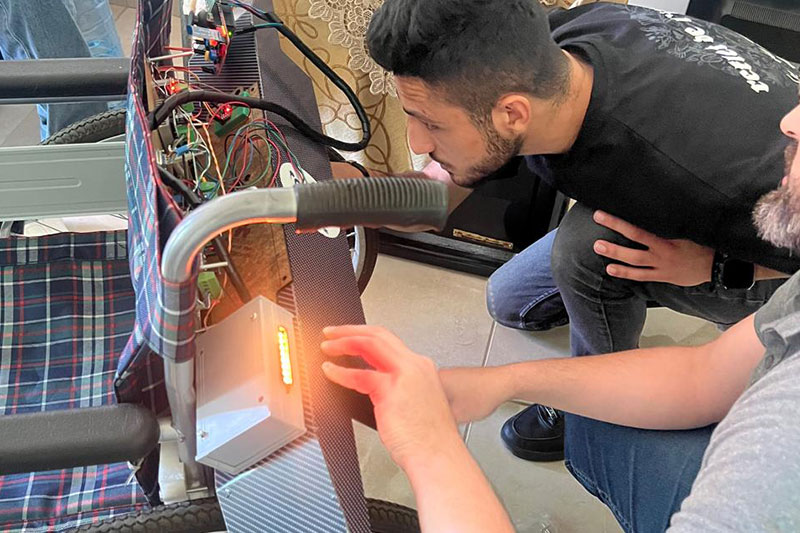
At an educational level, the project turned into a live learning experience, where students acquired the skills of scientific research, teamwork, design thinking, and realistic problem solving. Developed through the school’s robotics programme, Neuromov includes joystick navigation, voice-command functionality, emergency SOS alerts, and a mobile application capable of sending instant notifications and live location updates to family members during emergencies. The system also includes audio and light alerts and physical posture monitoring intended to reduce complications associated with long periods of sitting.
Working in teams alongside teachers and an external engineer, students were part of researching, designing, programming, and building the prototype while intentionally focusing on affordability so that the technology could remain accessible to low-income communities. Through the school’s learning model, which places strong emphasis on student-led innovation, project-based learning, empathy, and social responsibility, learners were guided by teachers who acted as mentors at every stage, building a strong culture of trust and empowerment.
Importantly, the school intentionally chose not to directly fund Neuromov, encouraging students to independently raise money through a school-run market where they sold products and innovations to finance the prototype themselves, which built their entrepreneurial thinking, resilience, communication, and teamwork alongside technical skills.
Students also developed strong presentation and communication skills by showcasing the prototype to school and public committees, building their confidence and giving them a strong sense of ownership of the project.
Families were closely connected to the project, particularly through testing and feedback around safety and reassurance, and during prototype trials, 90% of parents reported feeling more comfortable and reassured because of the emergency monitoring and alert systems connected to the wheelchair. Students reported becoming far more aware of the daily challenges faced by elderly people and individuals living with disabilities, with 100% saying the experience strengthened their commitment to helping others more consciously and responsibly.
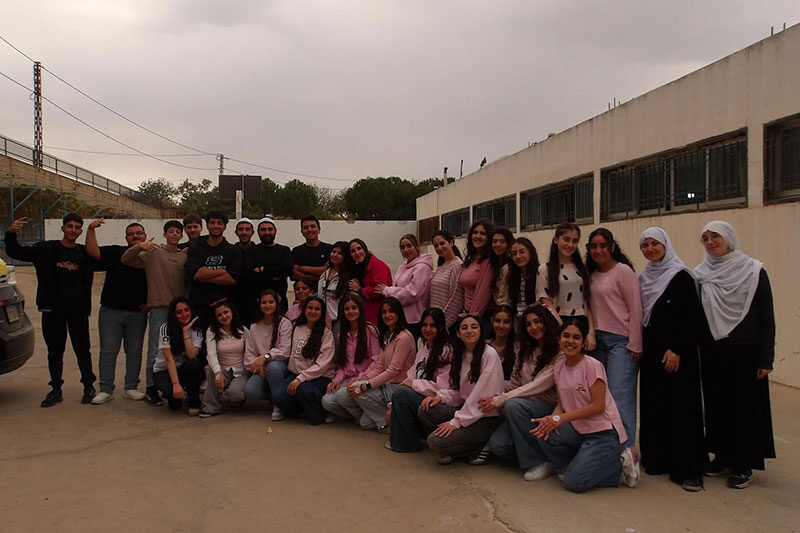
Teachers reported a 30% increase in classroom participation following the initiative, alongside stronger collaboration, leadership, and problem-solving skills among students. Extracurricular participation across the school also increased dramatically, rising from 30% to 100% as more students became motivated to launch projects connected to real community needs. These additional projects include a platform to redistribute leftover food and an assistive iPad for visually impaired users.
Today, Neuromov has moved beyond the prototype phase and entered manufacturing and development stages, with students preparing patent registration files to protect and potentially scale the innovation globally. School leaders estimate the system could eventually benefit between 5,000 and 10,000 people across Lebanon.


Check out our social media!