COMMUNITY COLLABORATION - 2026 TOP 10 SHORTLIST
Healthy Planet TGA Early Years School
Noida, Uttar Pradesh, India
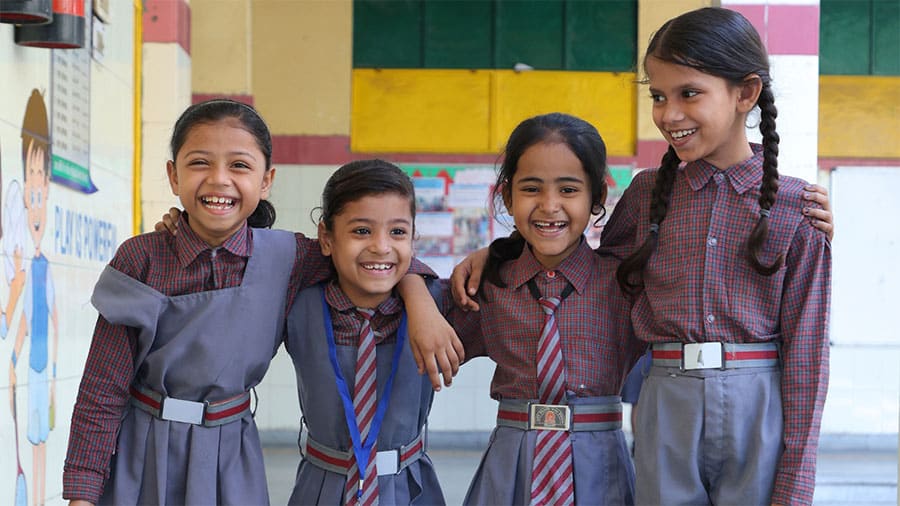
The Indian school that rebuilt the village around its education model to become the country’s first intergenerational learning facility
Healthy Planet TGA Early Years School, an independent kindergarten in Noida, Uttar Pradesh, India, is reimagining learning by placing community at the heart of a relationship centred, intergenerational learning model that integrates families, educators, researchers, and the wider public into daily school life. At a time when many children are growing up amid a ‘connection crisis’ shaped by screen driven lives, individualisation and post pandemic fragmentation, the school is putting belonging, connection, and shared responsibility at the centre of its practice.
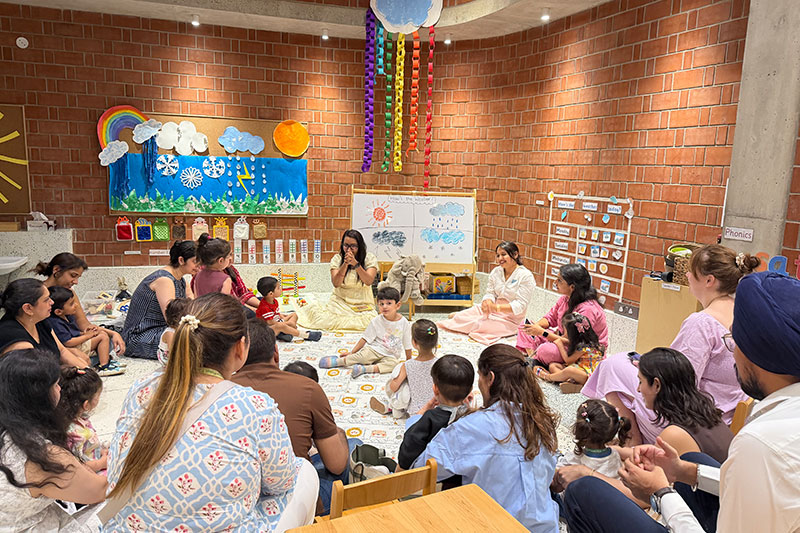
The school describes its approach as “counter-cultural” in a global educational environment increasingly focused on individualisation and technology-driven learning. Founded as India’s first intentionally designed intergenerational learning environments the model has been designed as an ecosystem where multiple generations actively participate in learning together. Parents, grandparents, and other relatives regularly participate in classroom activities, share skills and experiences, and contribute cultural knowledge. Grandparents, for example, contribute through storytelling, cultural exchanges, and projects as part of the school’s Wisdom Wonders collective, while initiatives such as Planet Plate use communal dining rituals to strengthen relationships between children, families, and teachers.
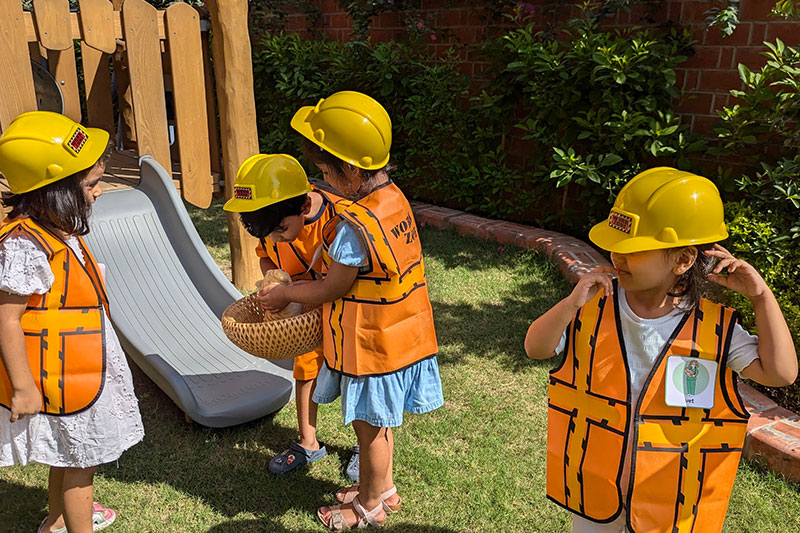
At the centre of the model is the Healthy Planet Way, a framework built around three pillars: Learning Circles, where classrooms are set up to be smaller with a focus on group interaction; Learning Conversations, a communication philosophy that recognises the experiences and perspectives of the children; and Learning Gardens, which are curated outdoor spaces designed for intentional education purposes. The approach combines global educational frameworks with internally developed research through the school’s Learning Lab, which acts as both a professional development hub and a bridge between the school and the wider education sector. Classroom time is structured around dialogue, agency, collaborative exploration, curiosity and emotional safety instead of traditional teacher-led instruction, while outdoor learning spaces are intentionally designed to encourage resilience, mindfulness, environmental awareness, and risk taking.
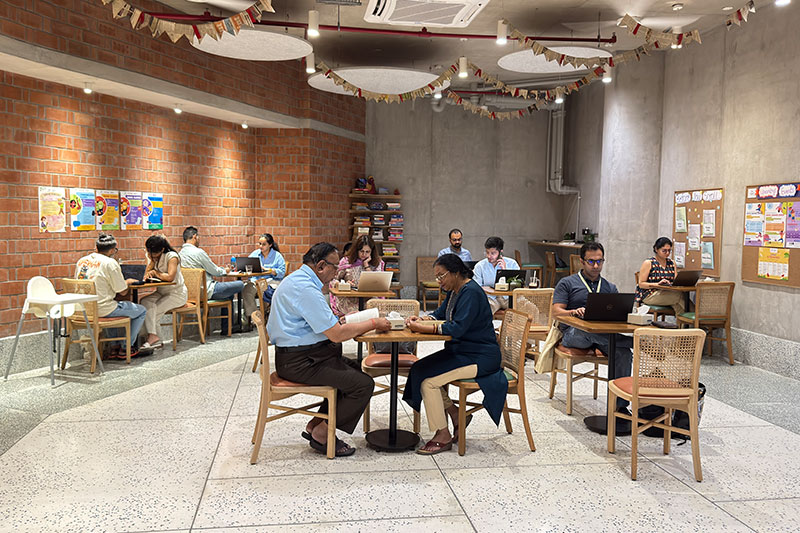
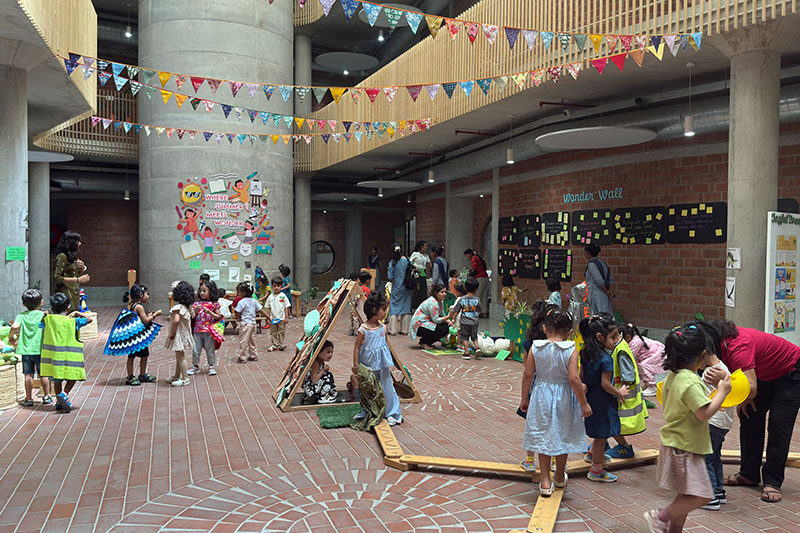
Alongside classrooms, the 40,000-square-foot campus includes a community library, café, co-working spaces, art, dance and music studios and learning gardens. Shared learning spaces are open to families and members of the community. Families are encouraged to be involved throughout the school day, with co-working spaces set up to bring together parents, grandparents, educators, researchers, artists, and practitioners who work alongside the school. This proximity encourages cross-pollination of ideas, informal mentorship, and collaborative projects where ideas can flow and students can learn from the adults around them.
Teachers report significant growth in children’s confidence, communication skills, independence, and ability to collaborate with others across age groups. Observation records show that students confidently initiate conversations with unfamiliar adults during school visits, sustain dialogue independently, and clearly articulate the purpose of their work and ideas. Learners are also increasingly taking ownership within long-term inquiry projects and participating in international research initiatives such as Voices of Children, where they engage with peers from around the world.
Through its Learning Lab, Healthy Planet hosts workshops, conferences, coaching programmes, internships, and leadership courses for educators, researchers, and school leaders. More than 401 schools have visited to study the approach, with several institutions introducing intergenerational programmes and redesigning family engagement models after engaging with the school’s philosophy. Most notably, The Glasgow Academy adapted aspects of its new campus design to incorporate intergenerational principles following sustained collaboration with Healthy Planet.


Check out our social media!