COMMUNITY COLLABORATION - 2026 TOP 10 SHORTLIST
Australian International School
Singapore
The Singapore school building a “home abroad” for families from more than 50 nationalities
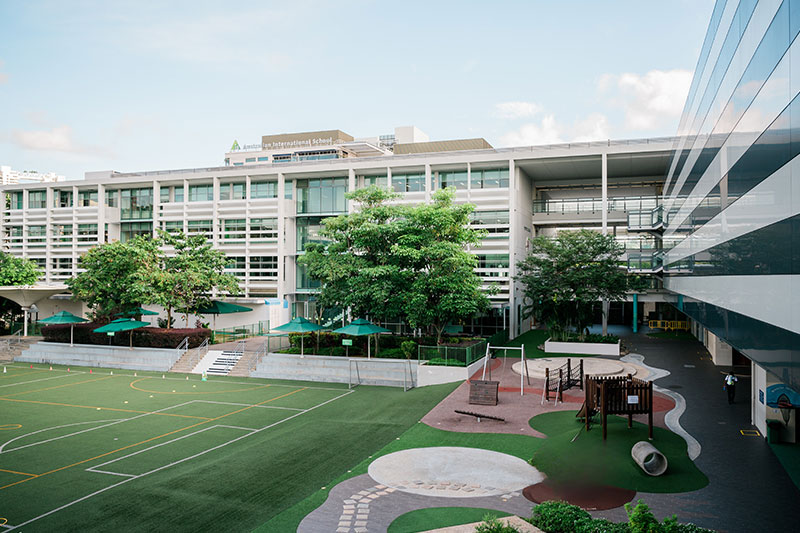
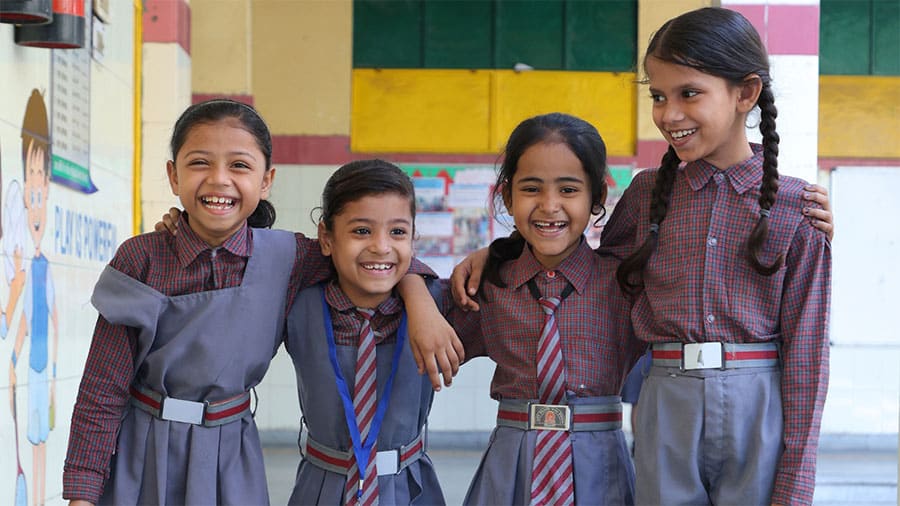
Australian International School (AIS), an independent kindergarten, primary and secondary school in Singapore, is building a whole-school community for global families that has become a “home abroad” where students feel supported and included, families are actively involved in school life, and the community is an extension of the classroom. In Singapore’s highly transient international school environment, children and parents often arrive carrying the emotional, social, linguistic, and cultural challenges that come with rebuilding identity, friendships, and belonging in an unfamiliar country.
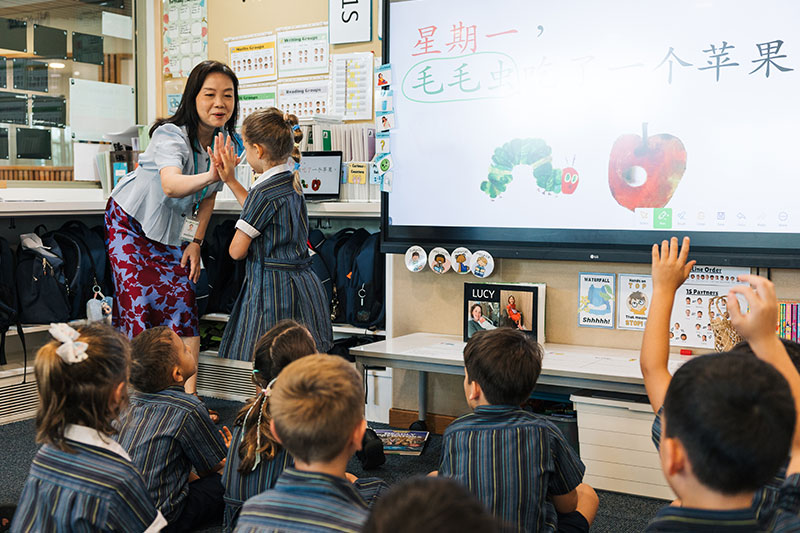
With more than 2,000 students representing over 50 nationalities, the school has developed an intentionally relationship-driven ecosystem designed to help entire families feel welcomed, supported, and connected. At the centre of the school’s approach is the belief that community itself is foundational within the classroom. Parents, whose languages, professions, experiences, and cultures shape learning across the school, serve as country ambassadors, participating in multilingual storytelling and library recordings, supporting cultural festivals, leading activities, and helping new families build meaningful connections to their home cultures while integrating into the wider school community. Through celebrations including International Day, Global Festival, Deepavali, Mid-Autumn Festival, Waitangi Day, and Australia Day, students engage directly with traditions, music, languages, dance, arts, and customs from across the world.
The school has also built extensive transition systems designed to support students and their families relocating into Singapore. Its “New Families Transition Series” runs across six sessions over a term and helps newly arrived parents understand school culture, build friendships, navigate life in Singapore, and connect them with established community members. Parent ambassador programmes, buddy systems, English language support for Chinese families, and informal groups such as the “Dad’s Coffee Group” give families the space to meet like-minded people and build long-term relationships and support structures.
Inside classrooms, students participate in an educational model that combines inquiry-based learning with practical leadership and community engagement opportunities. Student-led initiatives, including Model United Nations and Schools for Schools, allow learners to take part in fundraising, international outreach, teaching initiatives, business planning, and organisational leadership connected to real-world issues. They also take ownership of assemblies, wellbeing initiatives, student councils, peer mentoring, and cultural activities, which help them build confidence, public speaking ability, collaboration skills, and global awareness. Across the school, more than 300 after-school activities give students opportunities to pursue their passions for arts, music, leadership, sports, languages, and community engagement.
The Homeroom Programme in the secondary school, for example, is specifically designed to support students’ social-emotional learning (SEL) and personal development. Students meet daily with their homeroom teachers and participate in regular connection activities intended to strengthen relationships and encourage offline engagement.
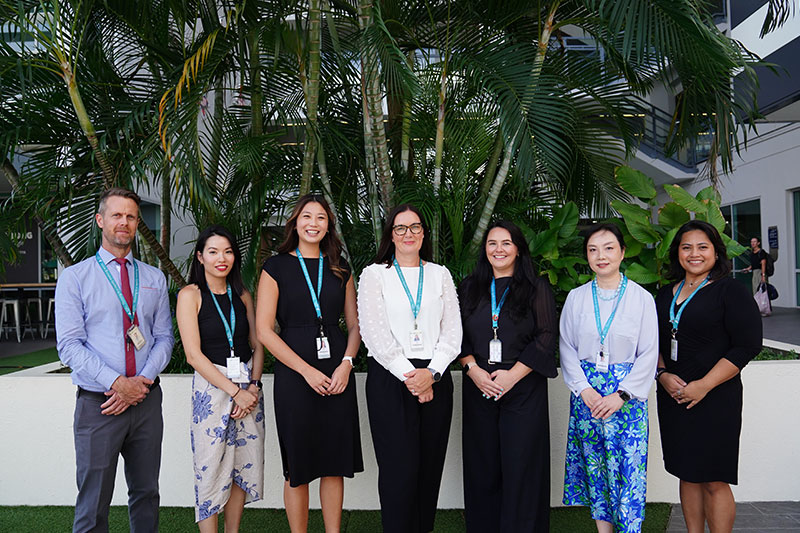
Teachers play a central role in sustaining the school’s collaborative culture by supporting both academic and emotional wellbeing through integrated systems of care. By operating through a multi-tiered wellbeing structure that incorporates counsellors, nurses, learning support specialists, safeguarding systems, and regular case management meetings, students are continuously supported. The school also places strong emphasis on teacher wellbeing and psychological safety, recognising that strong community culture depends on staff feeling supported themselves. Staff community-building activities, professional support systems, and wellbeing programmes are intentionally designed to strengthen belonging among teachers as well as students and families.
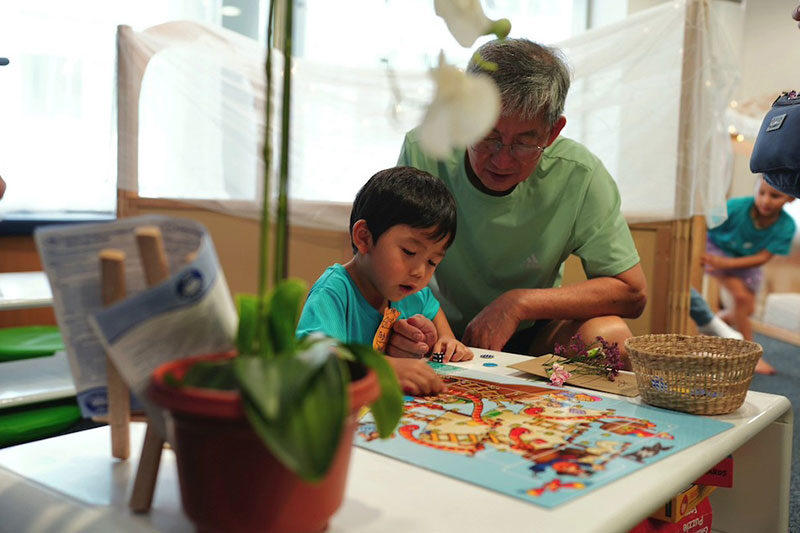
Weekend picnics, boot camps, choirs, performances, sporting events, social gatherings, and cultural celebrations regularly bring families, teachers, and students together, and the culture on campus sees parents often gathering before and after school, creating deep social infrastructure.
The school’s strong emphasis on the importance of the relationship triangle between school, home, and students is producing strong academic outcomes. Approximately 70% progress into the Australian university system, and 100% of students secured their first-choice university destination in the previous year. The school also reported an average IBDP score of just under 35 points and referenced a Value Added (VA) score of 1.02, indicating that students achieve approximately one full grade higher than predicted benchmarks.

Check out our social media!