Environmental action - 2026 TOP 10 SHORTLIST
Escola Baniwa Kalipana
São Gabriel da Cachoeira, Brazil
The Brazilian school using Indigenous knowledge and the Káali system to protect culture, territory and community
Escola Baniwa Kalipana, a public primary school in São Gabriel da Cachoeira in Brazil’s Alto Rio Negro Indigenous Territory, is championing contextualised Indigenous education by providing students with a learning experience deeply rooted in territory, environmental stewardship and ancestral knowledge systems through a curriculum shaped around the Káali agricultural system. Traditionally, formal education failed to recognise the local knowledge systems and ways of life for many young people in remote Indigenous communities in the Amazon, creating a disconnect in culture that made them more likely to leave the territory to look for outside opportunities and significantly weakened the likelihood of intergenerational knowledge transfer.
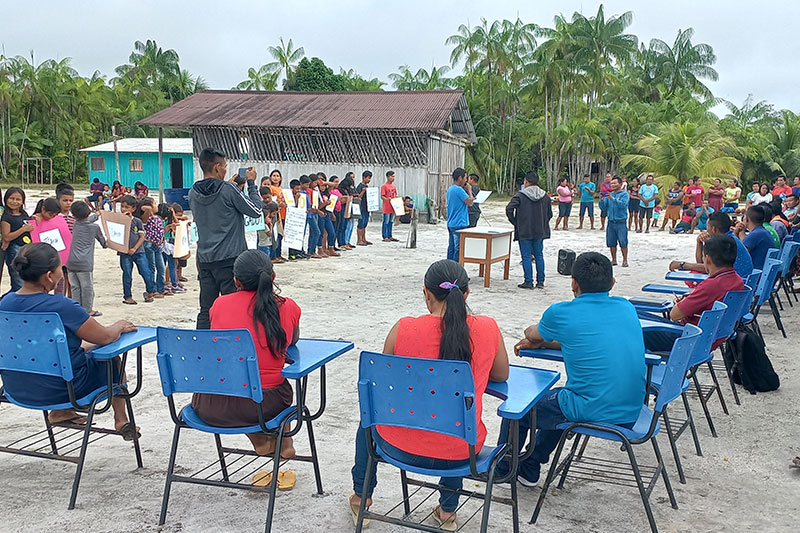
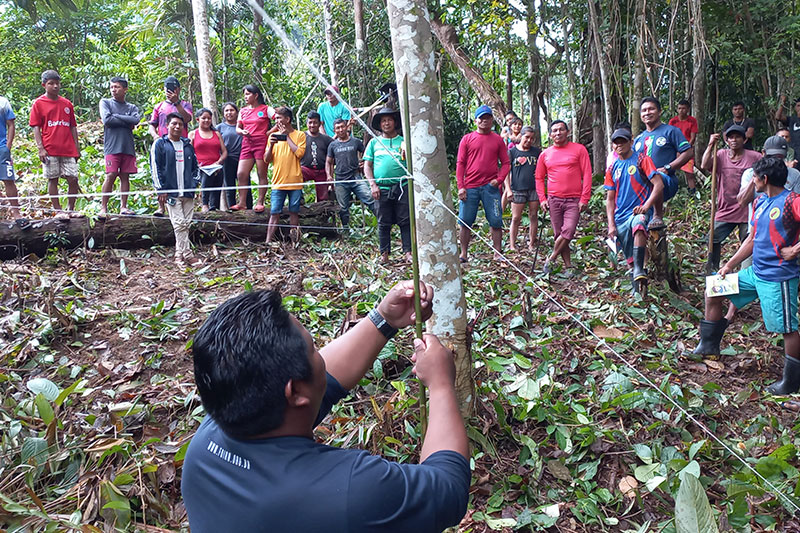
To address this challenge, local Baniwa and Koripako leaders, together with families, elders and community members, rebuilt the education model around the territory itself, integrating Indigenous knowledge systems with Brazil’s national curriculum through a framework that is both intercultural and environmentally grounded. The school’s approach is centred on the Káali agricultural system, a millenium-old regional Indigenous system that connects cassava cultivation to ecological knowledge, memory, songs, arts, spirituality, health, food production, family and community life. Students actively grow cassava in community gardens, for example, and study nature through fishing, sustainable hunting, and observing the environment. This territorial knowledge is then integrated with Portuguese, mathematics, history and other nationally required subjects, within a curricular framework that explicitly supports adaptation to local realities and Indigenous educational contexts.
Knowledge transmission, which has historically relied heavily on oral traditions, remains a central part of the learning model, and the teaching staff is composed entirely of Indigenous educators who speak their native languages to help preserve cultural identity, environmental knowledge and traditional practices. Teachers, youth and community members also collectively document this knowledge through written and audiovisual formats to ensure it is preserved for future generations.
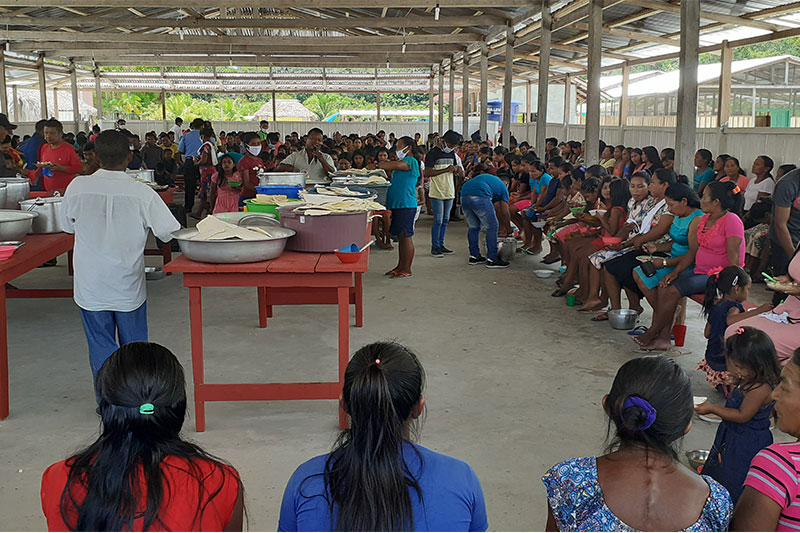
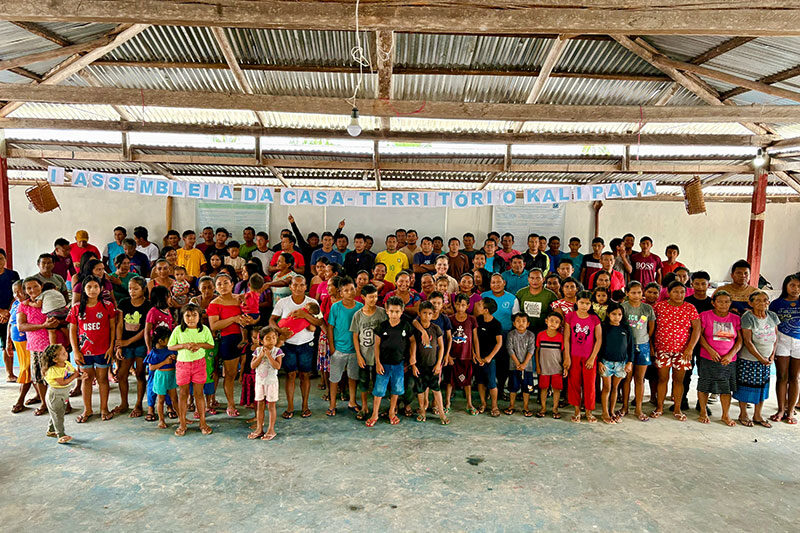
Learning happens everywhere, and the whole community is involved, with elders, teachers, and families all helping to pass on knowledge across rivers, forests, communal spaces, and agricultural areas that are connected to daily life in the territory. Teaching happens in two languages with a strong focus on hands-on experiences, so students build academic skills while staying connected to their culture, environment and community.
The school’s influence goes beyond its own students through community-led environmental and sustainability initiatives that have strengthened resilience across the wider region, especially in light of the increasing effects of climate change on Amazonian ecosystems. Examples of this include the construction of solar power systems that now provide clean drinking water in 40 villages, organic food projects that have increased food security in 85 communities, and even meliponiculture programmes that have trained about 50 producers and reached close to 30 villages, supporting local economies and keeping ancient ecosystemic practices alive.
This impact has been recognised locally and internationally, and in 2025, the school won the Periferia Viva Prize for its work in community education, social innovation and environmental sustainability. The school’s work has also been recognised by organisations including Fundação Banco do Brasil and international networks such as School 2030 and Ashoka Changemaker Schools. It has maintained a long-standing partnership with the University of São Paulo (USP) for approximately 10 years, which has evolved from a research initiative into a stable institutional partnership between the university and the Indigenous school network. Well-respected figures like Indigenous educator Dzoodzo Baniwa, a leading voice in intercultural education and the integration of traditional Indigenous knowledge in the Brazilian Amazon, have also been instrumental in helping the school protect Indigenous lands and preserve cultural holistic knowledge, through a model shaped collectively by educators, families, community members and the wider Indigenous school network.


Check out our social media!