Environmental action - 2026 TOP 10 SHORTLIST
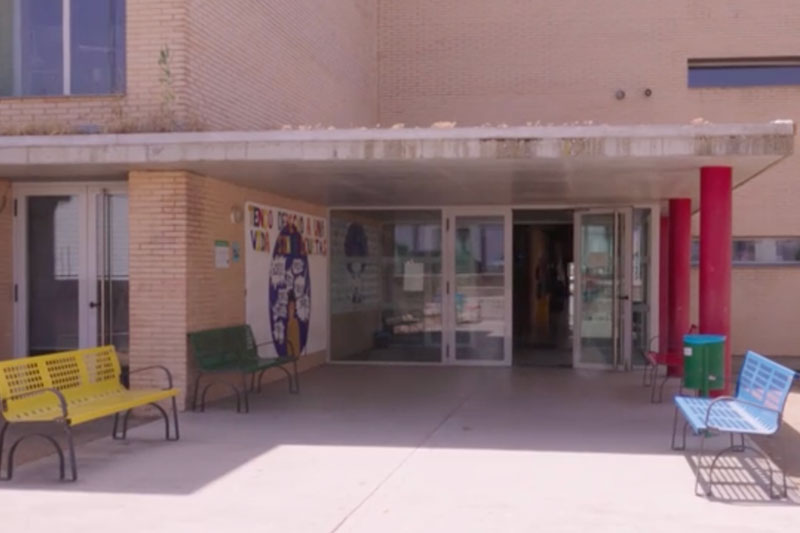
IES Alba Plata
Fuente de Cantos, Badajoz, Spain
The Spanish school leveraging science and the environment in its learning model to activate student-led circular economy projects
IES Alba Plata, a public secondary school in Fuente de Cantos, Badajoz, Spain, is using its environmental action learning model to activate student-led circular economy projects that leverage science and the environment to solve real problems in the learner’s local environment. Through this approach, initiatives like reusing olive oil waste in the sustainable production of soap are teaching them that science can directly improve their community and open up future possibilities.
Located in a rural agricultural region with limited transport infrastructure and relatively few educational or professional opportunities for young people, the school serves communities where many families work in traditional jobs such as farming, livestock and local services. Many students, particularly girls, struggle to imagine futures connected to science, technology or innovation because of the limited exposure in their daily realities. Combined with this, the surrounding region also faces environmental challenges directly tied to local production systems like waste disposal and growing levels of plastic pollution.
Taking the full picture into account, the school developed a model that integrates environmental topics with entrepreneurship opportunities through a contextualised STEM and sustainability approach. Here, students investigate real environmental problems and use scientific methods to design practical responses, turning the rural environment itself into a laboratory for innovation, where they have a chance to use STEM learning to directly improve the places where they live.
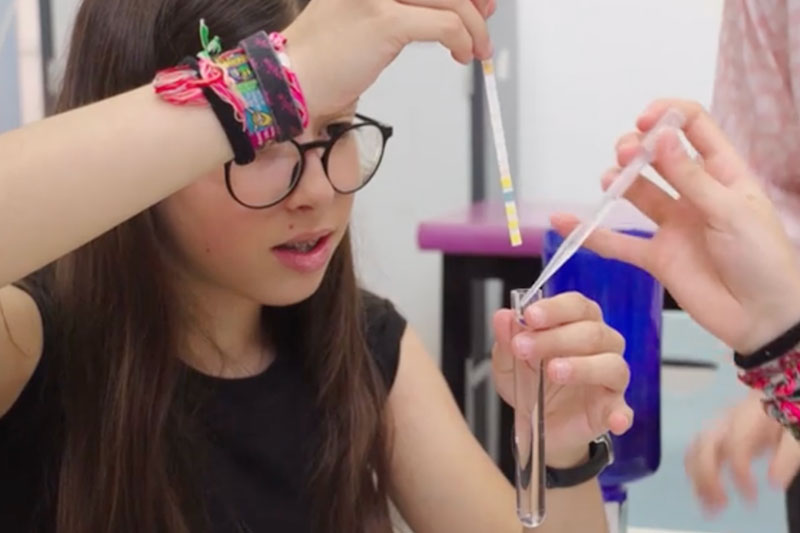
Many of the projects centre on the circular economy and the reuse of waste generated by the local agricultural industry. In a region heavily shaped by olive oil production, students collect used vegetable oil and transform it into biodiesel, soap and glycerine-based products, learning both the chemistry of the process and the environmental consequences of improper waste disposal. Other student teams have developed biodegradable bioplastics from natural polymers and whey as alternatives to petroleum-based plastics.
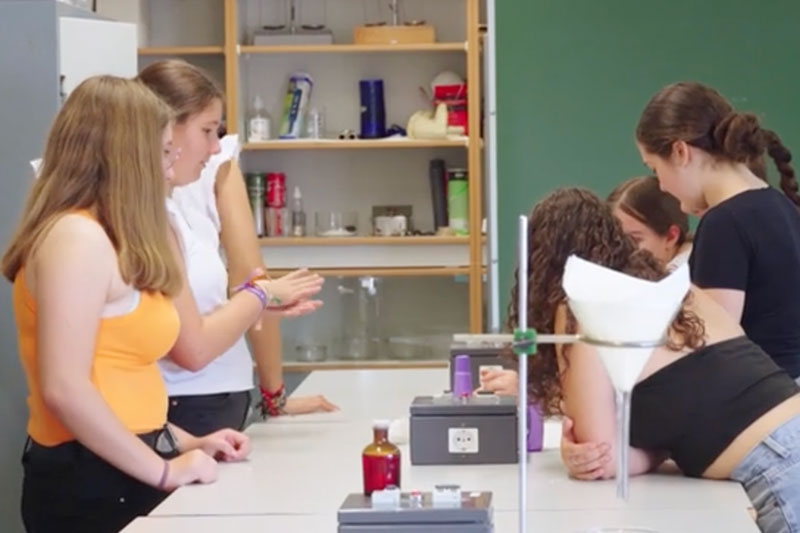
Environmental sustainability is embedded in classroom learning through a living laboratory model. Students engage in organic farming, composting and biodiversity studies through the school garden, while also exploring food systems and the environmental impact of industrial food production through sustainable food education projects, with many of the project ideas emerging directly from students themselves during this process.
The faculty work closely with the learners to understand their interests, lived realities, and daily engagements to guide the curriculum and ensure scientific inquiry and environmental problem-solving resonate personally with each student. This has created a culture of self-awareness, ownership and confidence.
School staff collaborate across projects , families contribute materials and support the maintenance of sustainability initiatives, and local municipalities, universities, and businesses provide expertise, tools and resources. Staff repeatedly emphasise the idea that “the whole community educates”, positioning sustainability as a shared local responsibility.
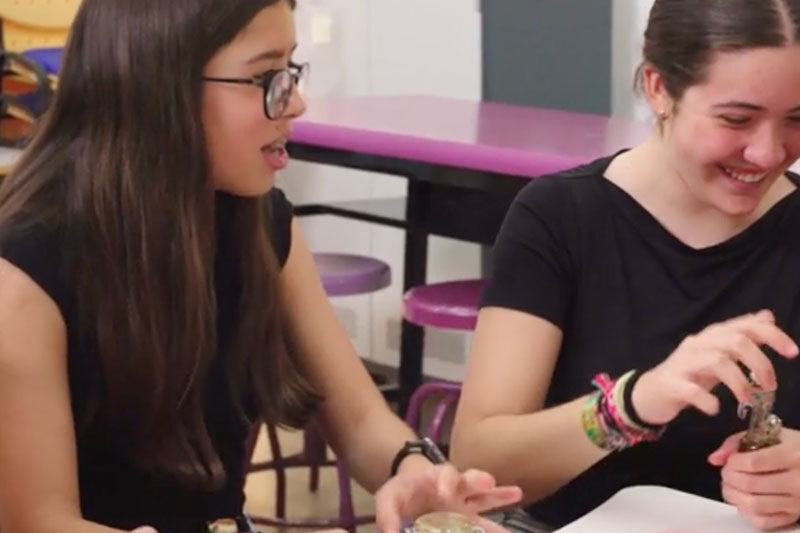
What makes the model distinctive is that participation is voluntary. Sustainability and STEM projects happen during afternoon extracurricular sessions, with both students and teachers contributing time after standard school hours to passion projects.
More than 350 students have participated in circular economy and environmental sustainability initiatives since 2022, and teachers report that students, especially girls, are participating more and developing stronger confidence in STEM fields. The school’s growing reputation has contributed to increased enrolment numbers within the community.
The school has increasingly become recognised within the region as a leading centre for educational innovation, rural STEM education and sustainability leadership.


Check out our social media!