Overcoming adversity - 2026 TOP 10 SHORTLIST
Hybrid @London Park School
London, UK
The UK school pioneering a ‘school within a school’ to tackle the attendance crisis and re-engage students
Hybrid @London Park School, an independent secondary school in London, UK, is confronting one of education’s most pressing challenges by redesigning how school works for persistently absent students so that they feel safe, seen and able to re-engage with learning. At a time when close to 820,000 students in England are regularly absent from school, the shift from a traditional schooling environment gives learners a mix of online and in-person access to confront growing anxiety, disengagement, and disconnection.
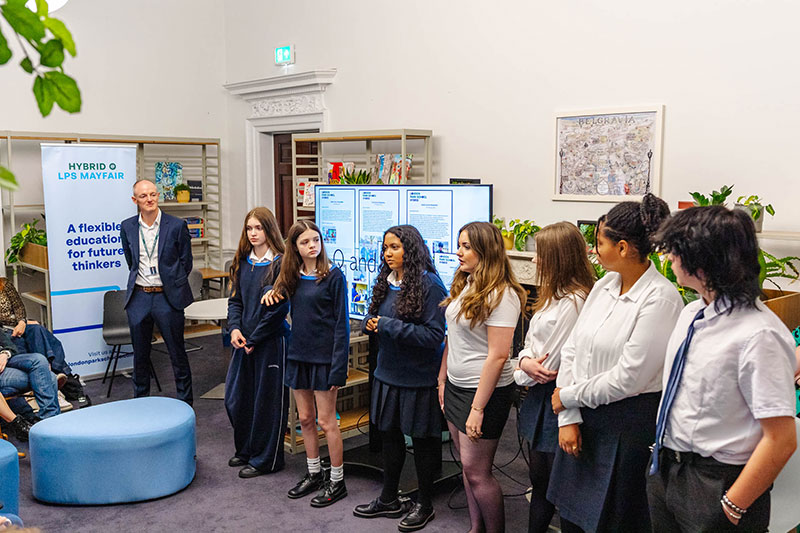
Instead of trying to bring students who have been out of the system for sometimes as long as two years back into a system that has not supported them, the school has redesigned its structure to adapt to the personal needs of each learner. The approach blends online and in-person learning through a ‘school within a school’ design, where students are enrolled in the hybrid school but are based within existing mainstream schools, sharing spaces, buildings, and some teachers while operating with distinct systems and delivery.
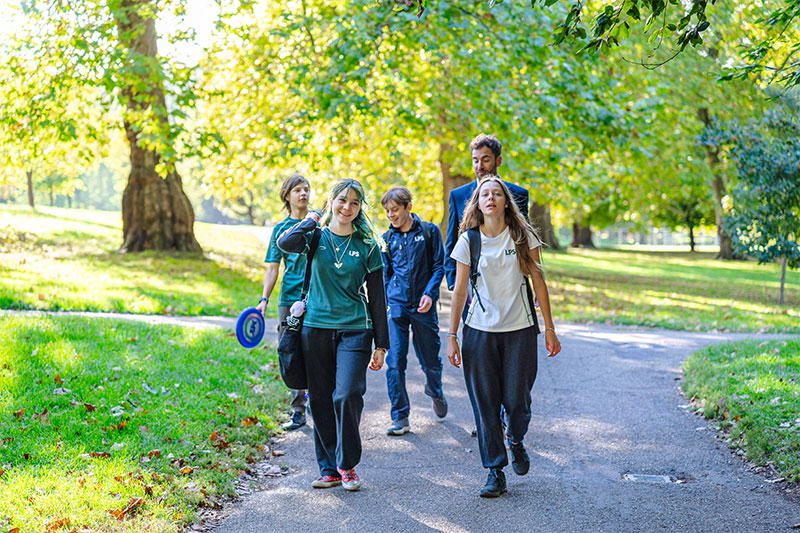
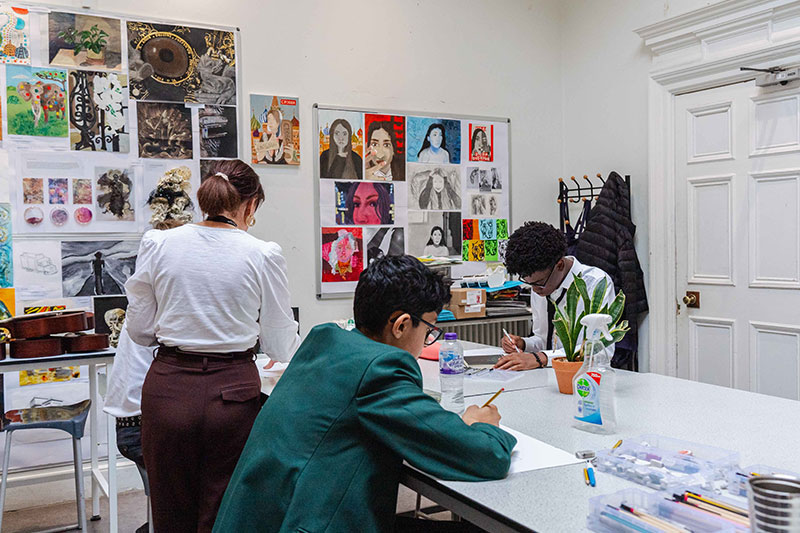
In practice, students attend lessons daily, typically learning online for four days a week from home and spending one day in person at the mainstream school focused on practical, creative, and relational learning that is harder to replicate remotely. They follow the same academic curriculum as their mainstream peers, but delivery is adapted through smaller class sizes, flexible timetabling, and a strong emphasis on wellbeing and confidence-building to enable sustained engagement. This allows students to re-engage with education in a way that feels manageable and supportive, creating a balance between flexibility and connection.
At the centre of the structure is a wellbeing-led pedagogy, where academic progress is built on restoring confidence, self-esteem, and a sense of safety. The shift from expecting students to adapt to rigid systems to designing learning around the individual is deliberate, allowing learners to re-engage at a pace and in a format that works for them. In the environment, they follow the same curriculum as their peers in mainstream education, while flexibility ensures academic continuity, offering a long-term solution that can be scaled to meet absenteeism and re-engage those who have been left behind.
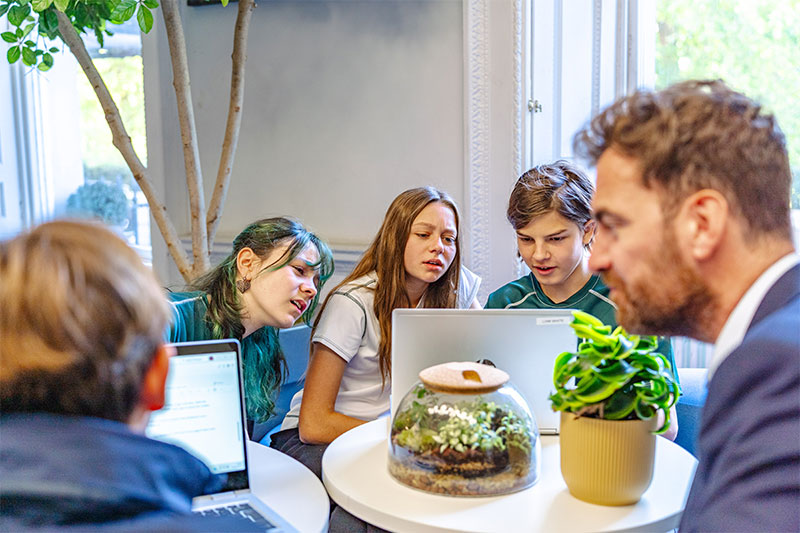
The hybrid format also allows for more personalised engagement. Teachers play a critical role in building trust, and their consistent support gives learners a level of independence that helps rebuild confidence over time. Smaller online cohorts, typically around 10–12 students, allow teachers to build strong relationships and tailor delivery to individual needs, which is critical for disengaged students.
The partnership with mainstream schools is at the core of the model. Through collaboration with organisations such as Dukes Education, the hybrid school is embedded within existing school environments, while maintaining its own policies, systems, and identity as a standalone school. This structure allows it to be introduced into different settings, and while it can operate independently, working alongside established schools has been key to scaling and maintaining a sense of community.
The design has been particularly effective for students experiencing anxiety, medical challenges, or those who have neurodiverse needs that make traditional school attendance challenging. By creating a structure that works around the student, rather than expecting the student to adapt, the school is enabling learners to re-engage with education and rebuild their relationship with learning. While currently delivered as an independent, fee-based model, the approach is responding to a challenge that affects many more young people, particularly those in disadvantaged communities, with plans to expand into the state sector so that more students can access this kind of support.
This shift in approach has resulted in the school achieving a near 100% success rate in Grades 4–9 across multiple years, with learners consistently beating national benchmarks. All students have progressed to mainstream colleges or sixth forms, and in many cases, they have regained enough confidence to transition back to full-time, in-person schooling. Following ongoing demand a hybrid sixth form offer will launch in September 2026. The teaching staff is also feeling the benefit of flexibility, with many staying long-term while the structure continues to attract experienced and highly skilled educators.


Check out our social media!